
More of every visit for the patient
Before each medication visit, Althio puts the patient's week, scores, sleep and side effects in one brief. In the visit, history and goals stay at hand. When it ends, the note is drafted for you to sign.

Short visits, long charts
A medication visit has minutes to cover weeks: how the patient slept, whether they took the medication, what side effects they had, and whether risk has changed. Most of that is not in the chart, and the note is written after clinic.
- 11 hrs
in the EHR for every 8 hours of patient care, more than 4 of them outside scheduled hours.
JAMA Internal Medicine, 1,052 physicians - ~100×
the global suicide rate in the three months after discharge from psychiatric care.
Chung et al., JAMA Psychiatry, 2017
The visit, with the month in view
A clinic day
- 8:00 am
Read the day
A brief for each patient, with overnight flags at the top.
- In each visit
Start from what changed
Adherence, side effects and scores since the last visit.
- Between visits
Sign the note
The draft is ready when the visit ends.
- End of clinic
Notes done
Every visit's note signed before you leave the clinic.
The parts of Althio you will use most
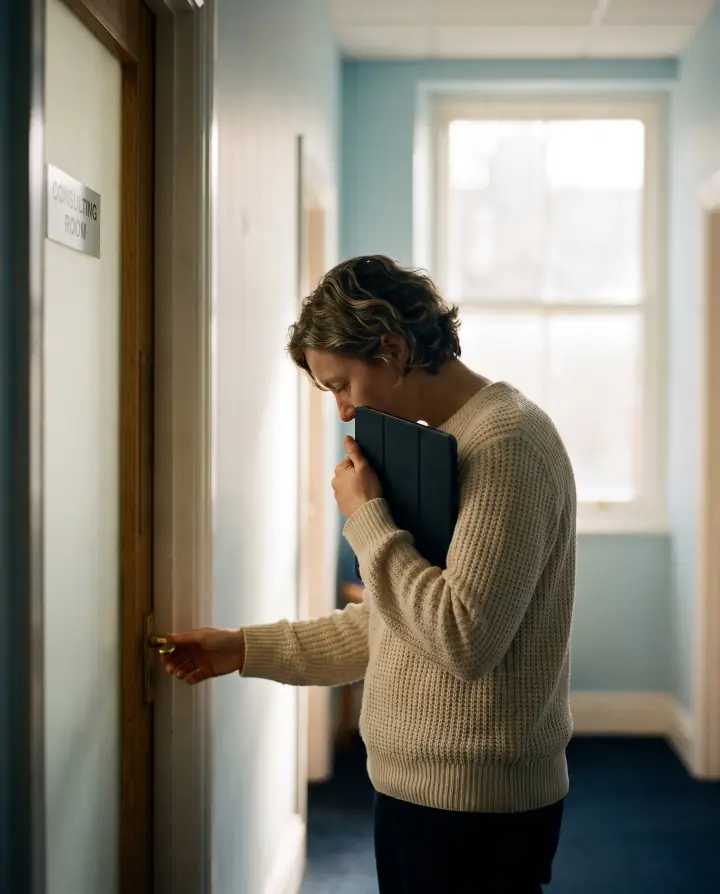 Intake and briefsBefore each session the clinician reads a one-minute brief: history, scores, risks and focus, drawn from intake and the patient's week between sessions.
 Session copilotIn the room, the copilot keeps the patient's history, scores and plan goals at hand as the session unfolds. The clinician makes every clinical call.
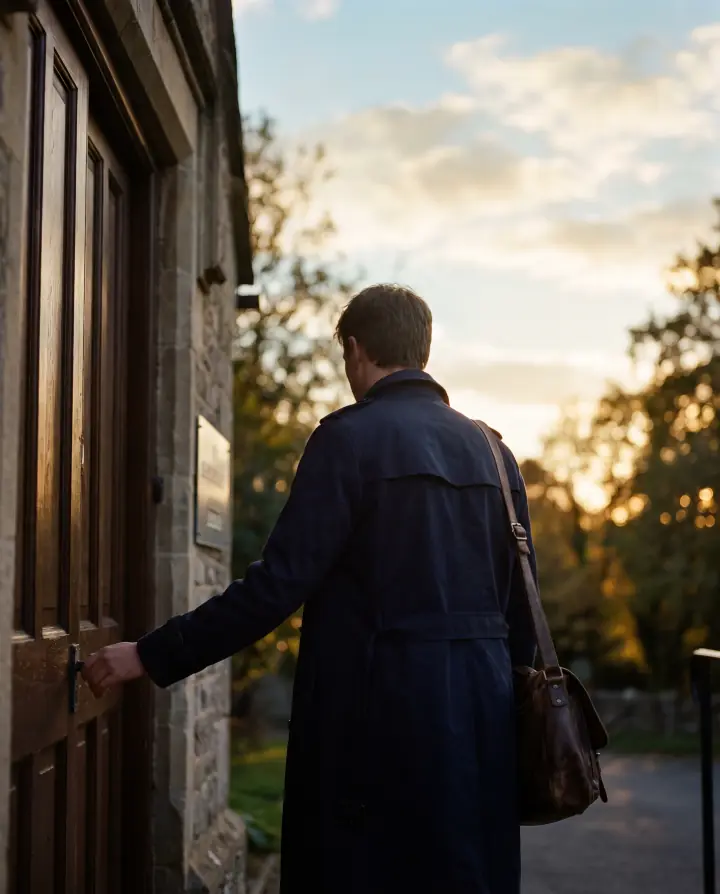 Session notesWith the patient's consent, Althio drafts a SOAP, DAP or BIRP note when the session ends, tied to the plan's goals. The clinician edits and signs.
 Between-session careCheck-ins, homework and measures run in the patient's own thread, inside the plan their clinician set, and missed sessions are followed up the same day.
One record with the patient's therapist
When a patient sees a psychiatrist and a therapist in the same practice, both read the same brief, measures and plan, so medication and therapy are planned together.
Read our AI principles →- The same measuresPHQ-9, GAD-7 and your own scales, seen by the whole care team.
- Risk to the right personFlags reach the on-call clinician under your practice's protocol.
- Your decisionsAlthio never prescribes, changes a dose or suggests a medication.
Does Althio suggest medications?
No. Althio never prescribes, changes a dose or suggests a medication. Every medication decision is the clinician's.
What do patients report between visits?
Check-ins cover what the clinician asks for, such as sleep, adherence and side effects, along with scheduled measures.
Does it work for short medication visits?
Yes. The brief is written to be read in under a minute, and the note is drafted when the visit ends.
Can the therapist and psychiatrist share the record?
Yes. Clinicians in the same practice who treat the same patient see the same brief, measures and plan.
Does Althio help with prior authorizations?
Not yet. Preparing authorization requests from the record and tracking them to a decision is in development.
Built for everyone in the practice
 Practice ownersNotes done the same day, patients engaged and the outcomes payers reward, across every clinician.
 Clinical directorsSafety and measured progress across the caseload, with every flag and response on record.
 Therapists and counselorsBriefed before every session, notes drafted after, and patients supported in between.
 Group practices and clinic networksOne standard of care across every clinician and clinic, with shared templates and one view.
 Value-based careMeasured outcomes, engaged patients and the reports value-based contracts ask for.
 Patients and familiesWhat Althio does, who sees what and how consent works, in plain language.
See Althio on your own caseload
A 30-minute walkthrough with our team, tailored to your practice.